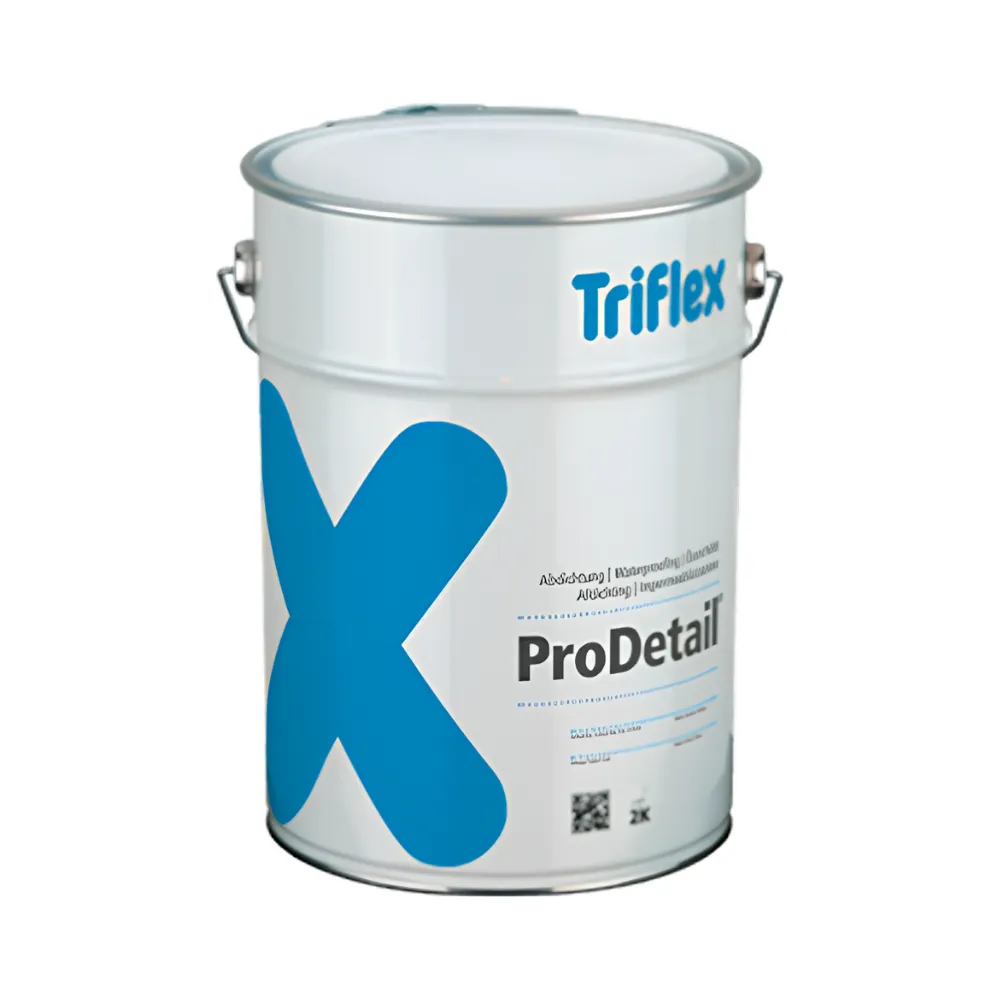

Triflex CPS-F Floor Coating System for Interior Parking Decks and Underground Car Parks
Triflex CPS-F is a waterproof floor coating system designed for interior parking structures. It is based on polyurethane (PUR) and epoxy (EP) resins and is specifically developed for intermediate parking decks, underground car parks, and interior areas subjected to both pedestrian and vehicle traffic. The system protects concrete floors, enhances slip resistance, and provides easy-to-clean surfaces. It is suitable for building owners seeking a cost-effective floor protection system capable of withstanding everyday use.
Key Features of Triflex CPS-F
Waterproof coating system based on PUR and EP resins
Specifically designed for intermediate parking decks and underground car parks
Suitable for both vehicle and pedestrian traffic
Resistant to mechanical stresses associated with parking garage operations
Provides Class A3 crack-bridging capability for cracks greater than 0.5 mm in accordance with DIN EN 1062-7
Achieves an R11 slip resistance rating according to DIN 51130
Easy to clean using conventional cleaning methods
Solvent-free system
Cold-applied system that requires no heating
Resistant to chemicals commonly encountered in parking structures
Available in various finish colors to help distinguish parking spaces and traffic routes
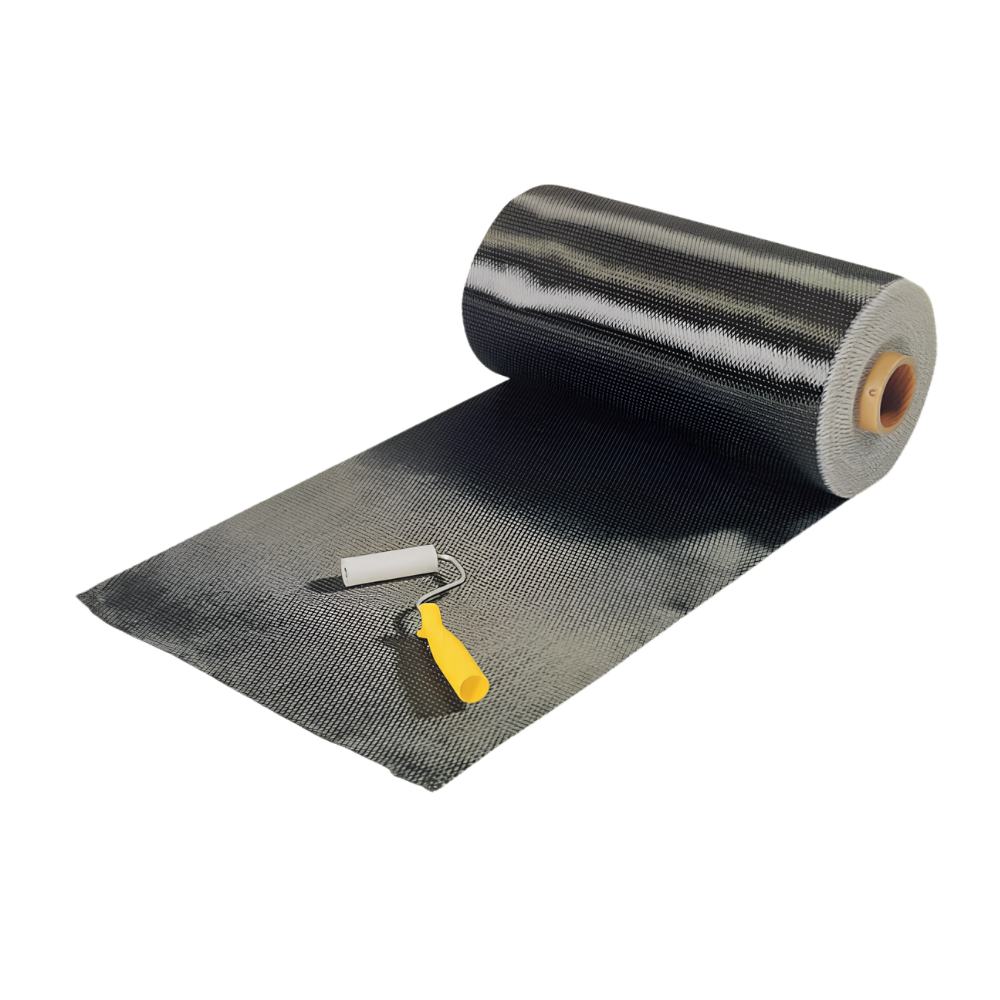
Joints, details, and connection points can be reinforced with fleece to ensure waterproofing continuity
Suitable Applications for Triflex CPS-F
Triflex CPS-F is suitable for interior areas requiring a protective coating system for concrete floors and improved traffic safety, such as:
Intermediate floors of multi-storey parking garages
Underground car parks
Vehicle parking spaces
Interior vehicle access lanes
Pedestrian circulation areas
Floor areas around columns and walls
Areas requiring color-coded zoning
Repair and refurbishment of existing parking garage floors
The system has been specifically developed for interior applications. For exposed areas or roof decks directly subjected to sunlight, rain, and weather conditions, a waterproofing system designed for exterior use should be selected according to the manufacturer’s recommendations.
Crack-Bridging Properties
The system structure is flexible and provides Class A3 crack-bridging performance in accordance with DIN EN 1062-7, accommodating cracks greater than 0.5 mm. This property helps reduce the risk of small cracks in the concrete substrate reflecting through and damaging the upper coating layers.
However, the type of cracks, crack width, structural movement, and condition of the existing substrate must be assessed before installation. Expansion joints or joints subject to significant movement require specific detailing and should not simply be coated over with a standard flooring system without proper joint design.
Slip-Resistant and Easy-to-Clean Surface
Triflex CPS-F can achieve an R11 slip resistance rating in accordance with DIN 51130 by broadcasting quartz sand onto the coating while it is still wet, followed by the application of a finishing coat. This creates a textured, slip-resistant surface suitable for areas used by vehicles and pedestrians.
Although the surface is designed to improve slip resistance, it remains easy to clean using conventional methods. This makes it suitable for parking structures that require regular cleaning of dust, tire marks, and accumulated dirt.
Triflex CPS-F System Structure
1. Primer Layer
The main primer used in the system is Triflex Pox Primer 116+, which helps seal the substrate, improve adhesion, and level surface irregularities where appropriate. The approximate consumption rate is 0.30–0.40 kg/m², depending on substrate roughness and absorbency.
After applying the primer, quartz sand is broadcast onto the surface while the material is still wet to prepare it for subsequent coating layers. The system also includes primers for specific substrates, such as Triflex Metal Primer for metal or rusted surfaces and Triflex Glass Primer for unabraded glass surfaces.
2. Waterproofing System for Joints and Details
Floor edges, joints, walls, columns, drainage outlets, drainage channels, and complex connection points are waterproofed using Triflex Than R 557 thix in combination with Triflex Special Fleece to create a reinforced waterproofing layer that integrates continuously with the main floor system.
The detailing material has a consistency suitable for application on vertical surfaces and corners, while the reinforcing fleece enhances strength and helps control the thickness of the waterproofing layer. Proper detailing is essential because joints and connection points are more susceptible to cracking and water penetration than general flat surfaces.
3. Main Coating Layer
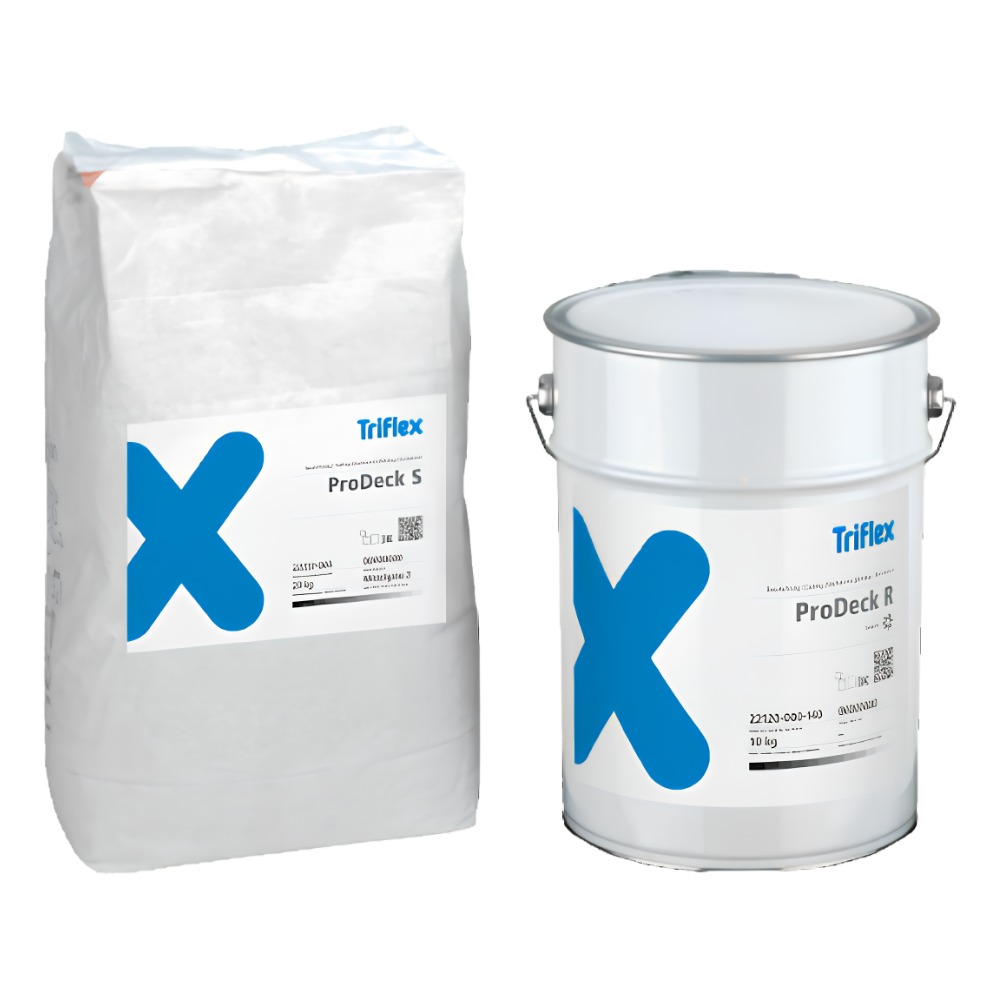
Triflex Than RG 560 serves as the main coating and wear-resistant layer of the system. It protects the floor against mechanical stresses and helps accommodate cracks. After application, a generous quantity of quartz sand is broadcast onto the coating while it is still wet to create surface texture and improve slip resistance.
4. Finishing Layer
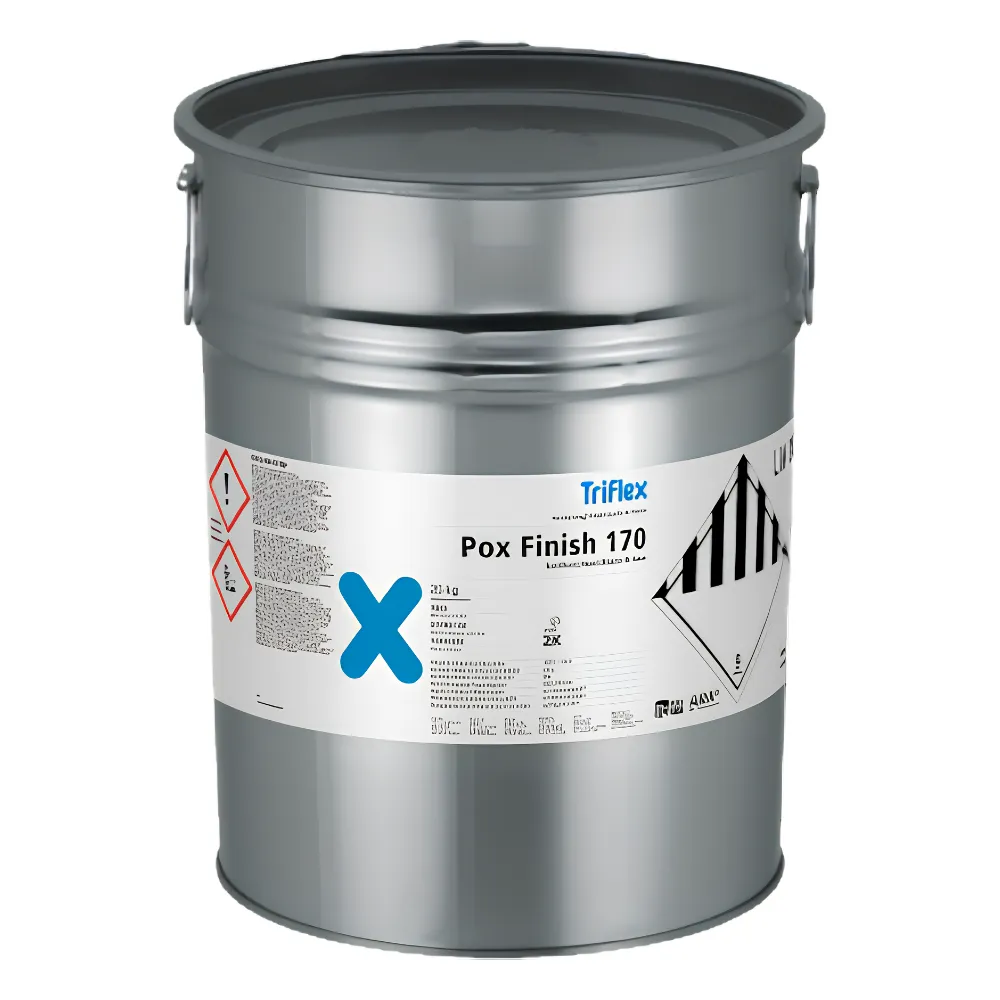
Triflex Pox Finish 170 is used as the final surface coating. It seals the sand-broadcast layer, enhances durability, and provides the required floor color according to project specifications.
The system allows different colors to be selected for parking spaces, pedestrian walkways, vehicle lanes, or individual parking levels. Using contrasting colors helps users identify locations and recognize traffic routes more clearly, supporting traffic management and safety within the building.
Installation Procedure Overview
Inspect and prepare the substrate to ensure it is sound, clean, and free from contaminants.
Apply Triflex Pox Primer 116+ to floor surfaces and connection areas.
Broadcast quartz sand onto the primer while it is still wet.
Install the fleece-reinforced waterproofing system at joints, corners, and construction details.
Apply the Triflex Than RG 560 main coating layer.
Broadcast quartz sand onto the coating while it is still wet.
Apply the final finish coat using Triflex Pox Finish 170.
Standards and Certifications
Triflex CPS-F meets the requirements for Class OS 8 surface protection systems in accordance with the guidelines of the German Committee on Reinforced Concrete (DAfStb) for the protection and repair of concrete structures, including relevant maintenance requirements.
The system is classified as Bfl-s1 for reaction to fire in accordance with DIN EN 13501-1, which classifies the fire performance and smoke production characteristics of flooring materials.
Substrate Preparation Before Installation
The substrate must be sound, capable of supporting the required loads, and free from dust, oil, grease, tire marks, loose paint or existing coatings, and other materials that may interfere with adhesion. Moisture content, concrete strength, surface roughness, cracks, and joint conditions should be assessed before selecting the appropriate surface preparation method.
Uneven existing floors can be leveled or repaired using suitable leveling compounds or epoxy mortars within the system. According to the technical documentation, Triflex Pox Mortar can be used for surface leveling and repairs, with a minimum consumption of approximately 2.20 kg/m² per 1 mm of thickness on smooth surfaces.
Application Considerations
Triflex CPS-F is a system specifically designed for interior applications. The selection of slip resistance level, finish color, system thickness, and joint detailing must take into account traffic volume, existing substrate conditions, and actual usage requirements.
All expansion joints are considered areas requiring inspection and maintenance. If significant structural movement occurs, joint sealing materials may need to be inspected or replaced to maintain the long-term performance of the system.