
Product Key Features (SMART ADVANTAGES)
Specially designed for use in tropical climatic conditions
Provides protection against water and water vapor penetration
Easy to apply by simply removing the silicone release film from the self-adhesive side and bonding the membrane to the substrate
Excellent adhesion properties on both vertical and horizontal surfaces
Resistant to chlorides, sulfates, alkalis, and acids
Excellent tear and puncture resistance
Exceptionally high tensile strength
Good flexibility at low temperatures and a high softening point
Product Description (DESCRIPTION)
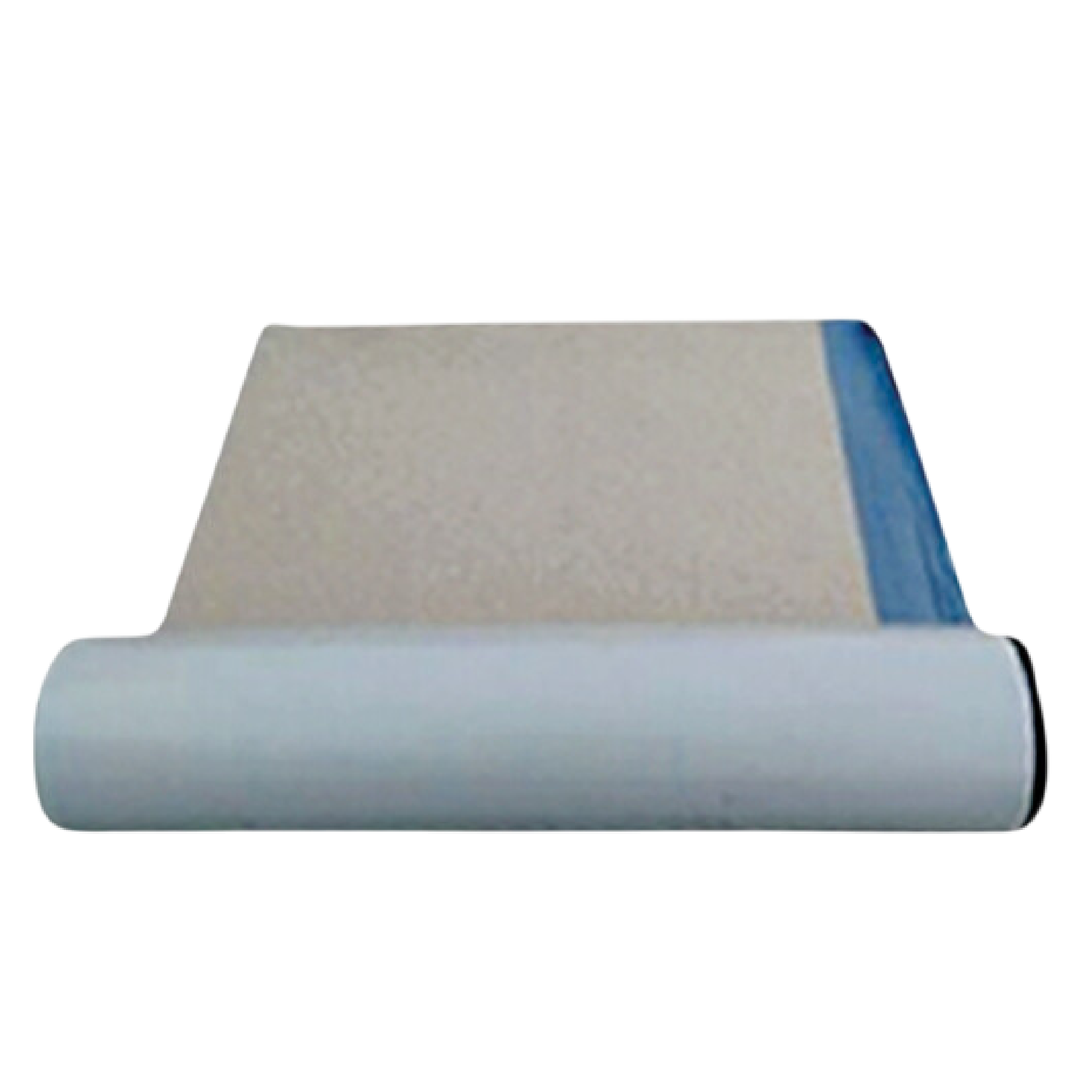
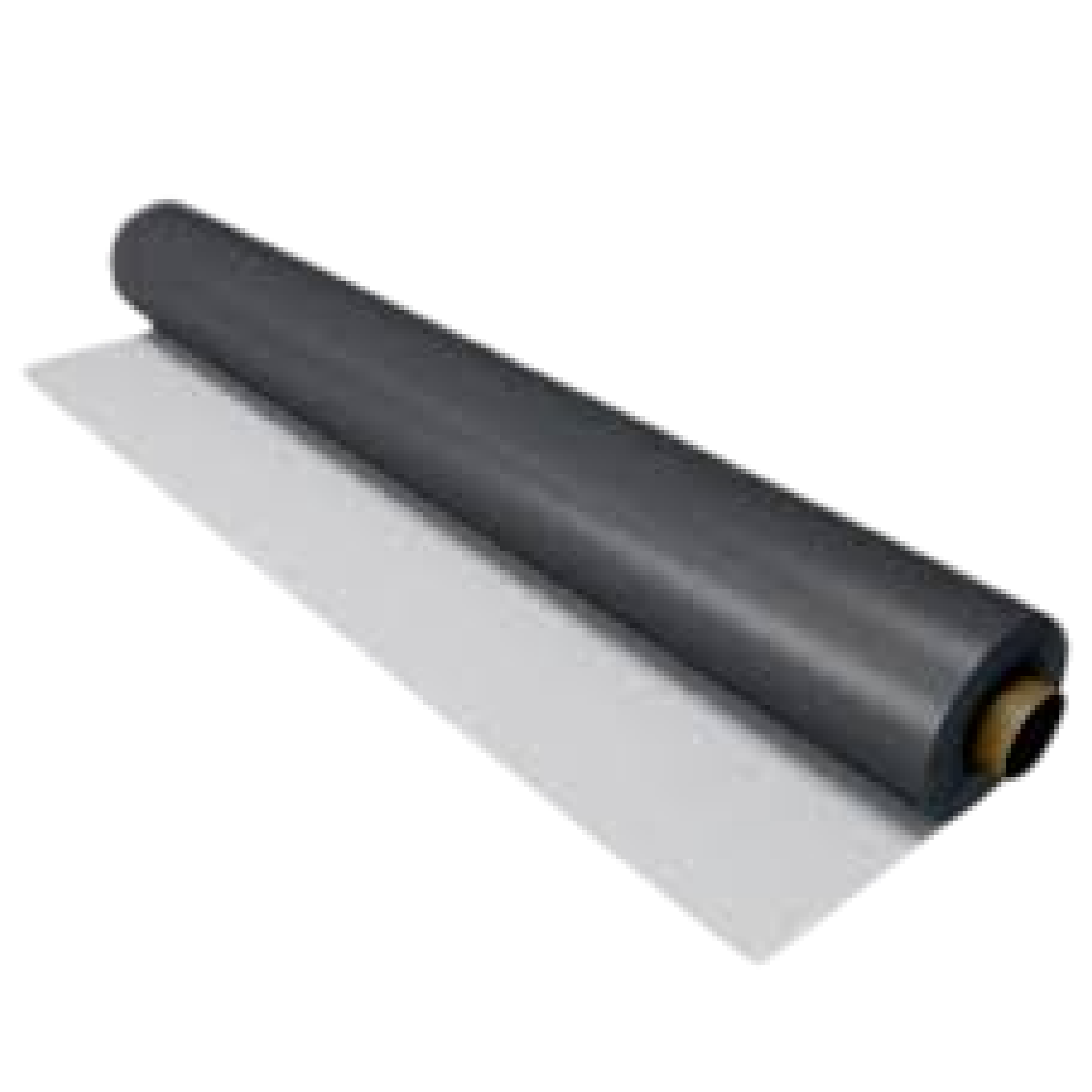
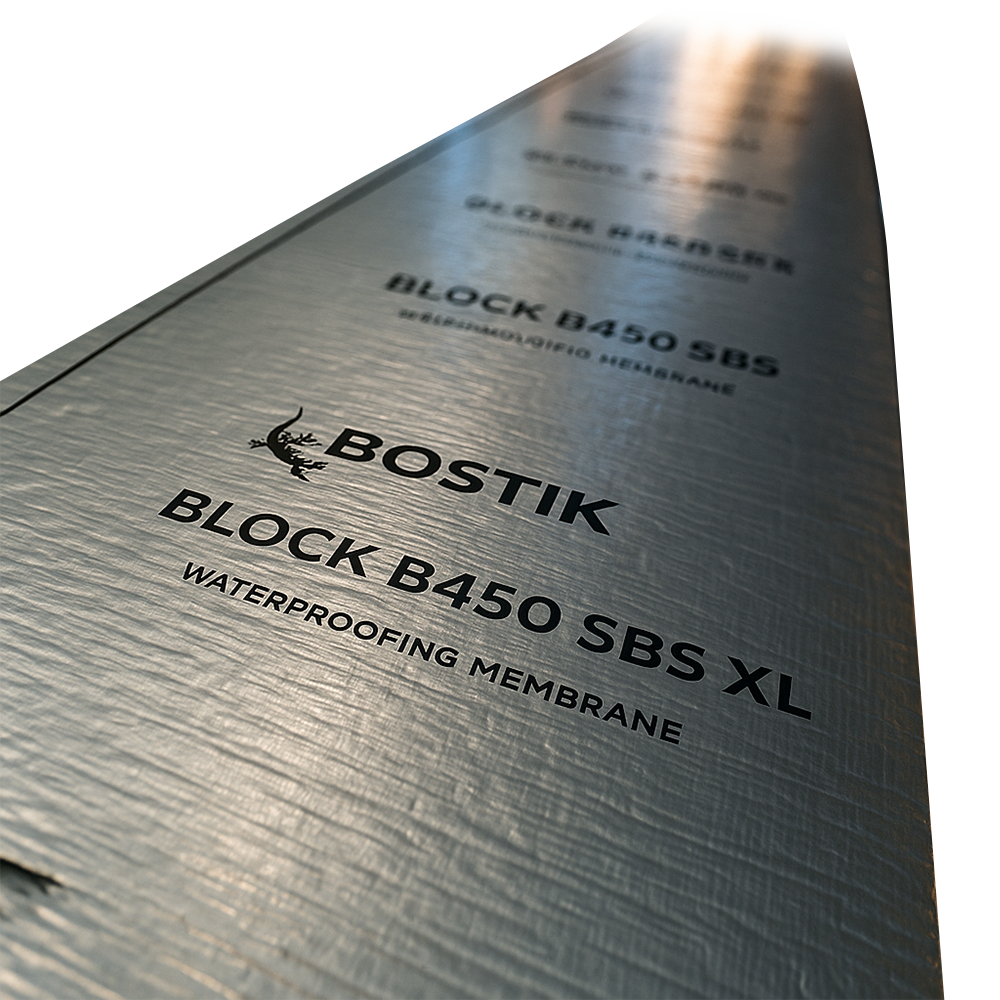
BLOCK B450 SBS XL is a self-adhesive waterproofing membrane manufactured from SBS Polymer Modified Bitumen. The bituminous compound layer is laminated to a cross-laminated High-Density Polyethylene (HDPE) film, which is impermeable to water and non-porous.
Areas of Application (AREAS OF APPLICATION)
BLOCK B450 SBS XL is designed to protect concrete structures against water and moisture penetration. It can be used for waterproofing both vertical and horizontal surfaces and is suitable for underground structures, underpasses, tunnels, and retaining walls.
Technical Characteristics (TECHNICAL CHARACTERISTICS)
| Properties | Test Standards | Values |
|---|---|---|
| Thickness (mm) | ASTM D 5147 | 1.5, 2.0, 3.0 |
| Tensile Strength | ASTM D 5147 | > 300 N/50mm |
| Elongation | ASTM D 5147 | > 400% |
| Tear Strength | ASTM D 624 | > 30 N/mm |
| Puncture Resistance | ASTM E 154 | > 400 N |
| Low Temperature Flexibility | ASTM D 624 | No Cracking |
| Resistance to Hydrostatic Head | ASTM D 5385 | No Leakage (up to 7 bar) |
| Peel Adhesion with Primed Concrete | ASTM D 903 | > 2000 N/mm |
| Dynamic Crack Bridging Ability | ASTM C 1305 | Pass (3.2 mm) |
Application Procedure (APPLICATION PROCEDURE)
The recommended application temperature ranges from 5°C to 55°C. Installation procedures may vary slightly depending on specific site conditions. The recommended installation guidelines for self-adhesive waterproofing membrane systems should be followed to ensure optimal performance.
Substrate Preparation (SUBSTRATE PREPARATION)
Thoroughly clean the substrate by removing all contaminants, including dust, concrete curing compound residues, oil, and grease, to ensure that the surface is clean and properly prepared for waterproofing membrane installation.
Priming (PRIMING)
Apply Grip B410 SB (Solvent Based Primer) using a brush, roller, or spray equipment at an approximate coverage rate of 6 m²/liter onto a clean, smooth, and dry substrate.
Allow the primer to dry before installing the waterproofing membrane. The primer has a low viscosity, allowing it to penetrate easily into the pores of the concrete, thereby enhancing adhesion between the membrane and the concrete substrate.
In addition, the primer acts as a binding agent for dust particles that may remain on the concrete surface even after cleaning.
Alignment (ALIGNMENT)
Begin installing the membrane from the lowest point of the surface or near the drainage outlet to ensure that water flows across or parallel to the membrane joints without flowing back into the overlapping seams.
Properly arrange the membrane overlaps so that the membrane on the higher side overlaps the membrane on the lower side, following the direction of water flow.
Begin installation by unrolling the BLOCK B450 SBS XL membrane and aligning the side overlaps according to the specified positions.
Application (APPLICATION)
Remove the protective release film from the self-adhesive side of the membrane. Then gradually unroll the waterproofing membrane and press it firmly onto the prepared substrate.
Use a wooden pressing tool to remove any air trapped beneath the membrane, working from the center toward the side edges to ensure that the membrane lies flat and is free from trapped air bubbles.
Afterward, use a steel roller to roll over the installed membrane, applying additional pressure to ensure that the bituminous compound layer bonds firmly and effectively to the substrate.
The membrane must be installed with the specified overlap distances as follows:
Side Overlaps: Minimum 50–65 mm
End Overlaps: Minimum 100 mm