Triflex AWS Waterproofing System Beneath Mastic Asphalt for Roof Decks and Parking Structures
Triflex AWS is a fully fleece-reinforced, liquid-applied waterproofing system designed for installation beneath mastic asphalt or hot-applied asphalt layers. The system is based on fast-curing, heat-resistant PMMA resin and is suitable for parking garage roof decks, traffic areas, and structures subject to significant movement or cracking. It can be used for both new construction and refurbishment projects.
The system forms a continuous waterproofing layer across the entire surface, including joints, corners, edges, and complex construction details. When combined with a mastic asphalt layer, each component serves a distinct function: Triflex AWS provides waterproofing protection, while the upper asphalt layer primarily serves as the load-bearing and traffic surface.
Key Features of Triflex AWS
Fully fleece-reinforced waterproofing system that enhances strength and accommodates structural movement
Uses fast-curing PMMA resin to reduce installation time and area closure periods
Mastic asphalt can be installed over the waterproofing layer approximately 3 hours after application
Provides continuous, seamless waterproofing protection across surfaces, joints, and construction details
Eliminates the need for mechanical metal joint covers at connection points, in accordance with the manufacturer’s system specifications
Resistant to mechanical stress and chemicals
Resistant to hydrolysis and alkaline conditions
Fully bonded to the substrate, reducing the risk of water migration beneath the waterproofing membrane
When damage occurs, the affected area can be identified and repaired more easily compared to systems that allow water to spread beneath the waterproofing layer
Suitable Applications for Triflex AWS
Triflex AWS is suitable for areas where mastic asphalt is required as a load-bearing surface while the waterproofing system must also accommodate structural cracking and movement, such as:
Parking garage roof decks
Exposed parking decks
Vehicle access lanes and traffic areas on elevated structures
Floors above occupied interior spaces
Areas requiring mastic asphalt as a traffic-bearing surface
Structures subject to movement or cracking
Refurbishment of existing waterproofing systems
New construction projects requiring waterproofing beneath mastic asphalt
Triflex AWS System Structure
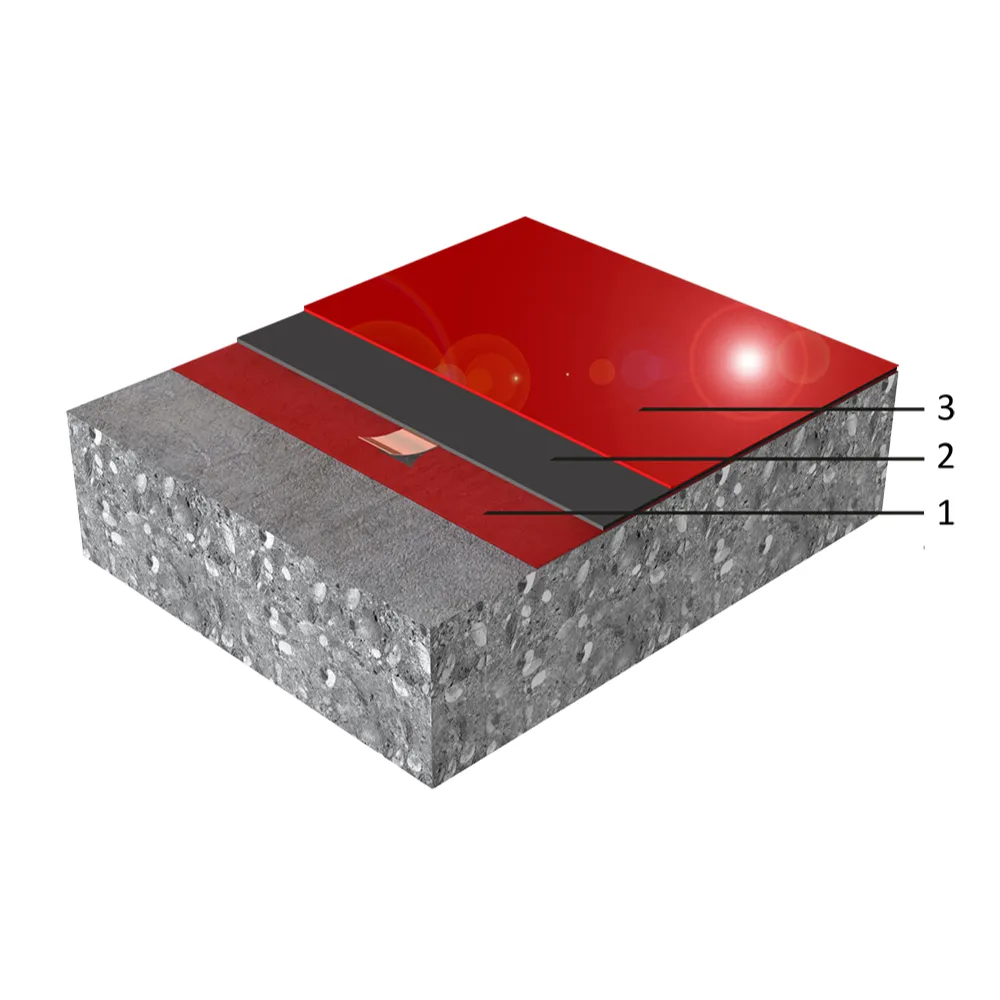
1. Primer Layer
The primer must be selected according to the substrate material. The system offers several primer options, including:
Triflex Cryl Primer 222 for asphalt substrates, with a minimum consumption of approximately 0.40 kg/m²
Triflex Cryl Primer 287 for absorbent substrates such as concrete, screeds, or wood, with a minimum consumption of approximately 0.35 kg/m²
Triflex Metal Primer for metal and rusted surfaces, with a consumption of approximately 0.15 L/m²
Triflex Glass Primer for unabraded glass surfaces, with a consumption of approximately 0.05 L/m²
Triflex Pox Primer 116+ for priming, surface sealing, and leveling irregularities in suitable systems, with a consumption of approximately 0.30–0.40 kg/m²
These consumption rates are based on smooth, even surfaces. Actual consumption may increase depending on substrate roughness and site conditions.
2. Fleece-Reinforced Waterproofing Layer
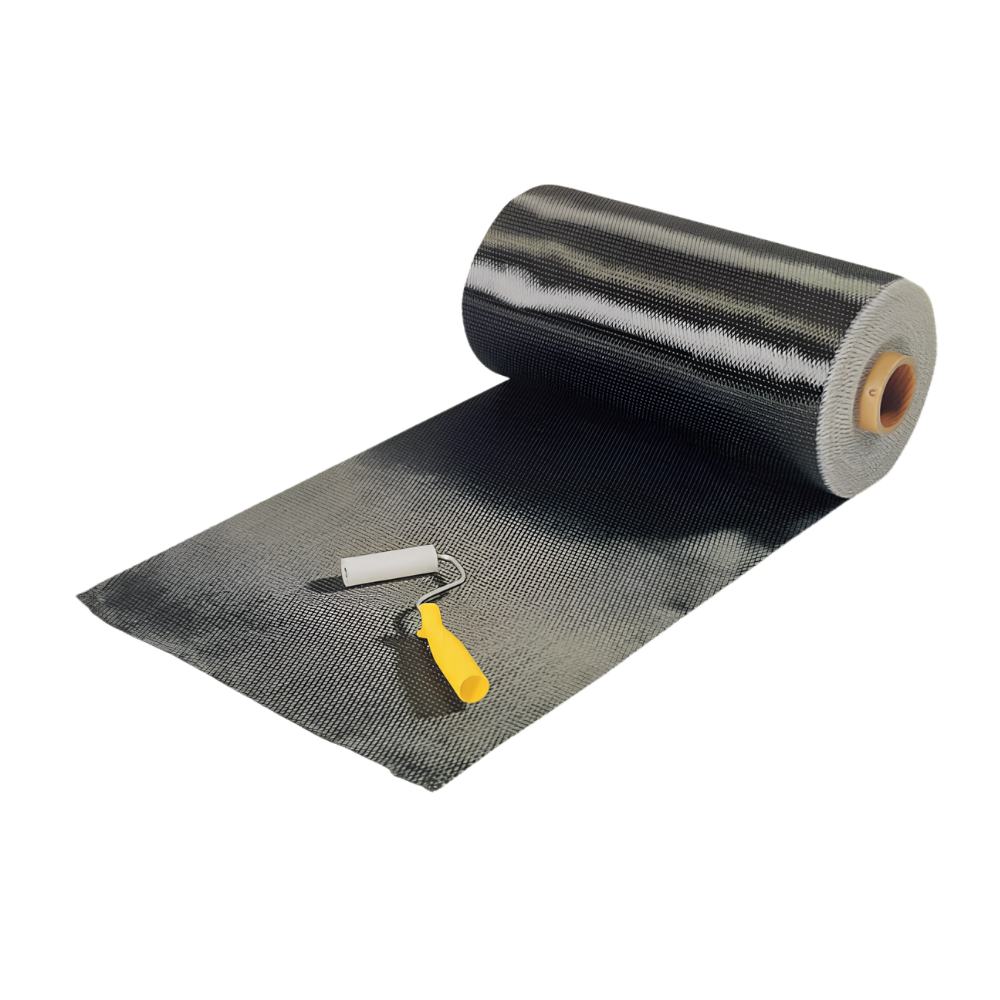
The main waterproofing layer consists of Triflex ProPark combined with Triflex Special Fleece. The reinforcing fleece enhances strength and helps control the thickness of the waterproofing layer.
The minimum consumption of Triflex ProPark is approximately 3 kg/m² on smooth surfaces. This layer forms a continuous waterproofing system and helps accommodate substrate movement and cracking.
3. Waterproofing Protection Layer
A protective layer consisting of Triflex ProPark and quartz sand with a particle size of approximately 0.7–1.2 mm is applied over the waterproofing membrane to prepare the surface for the installation of hot-applied mastic asphalt.
The system documentation specifies a minimum Triflex ProPark consumption of approximately 3 kg/m² on smooth surfaces for the protective layer. The required quantity of sand and its broadcasting method must follow the system planning documentation.
4. Mastic Asphalt Layer
The uppermost layer consists of mastic asphalt, which serves as the load-bearing and traffic surface while protecting the underlying waterproofing membrane.
The Triflex AWS system allows the asphalt layer to be specifically designed to withstand traffic loads, while the underlying fleece-reinforced PMMA system provides the primary waterproofing performance.
Detailing and Joint Waterproofing
Corners, floor edges, joints, drainage outlets, penetrations, and vertical connections are waterproofed using Triflex ProDetail in combination with Triflex Special Fleece to ensure continuous integration with the main waterproofing layer.
Triflex ProDetail has a consistency suitable for vertical applications, helping minimize sagging during installation. Its minimum consumption is approximately 3 kg/m² on smooth surfaces.
Fast Installation and Reduced Downtime
One of the key advantages of Triflex AWS is its rapid installation process. Certain primers applied to mineral substrates can be overcoated after approximately 45 minutes, while hot-applied mastic asphalt can be installed over the waterproofing layer after approximately 3 hours, provided that temperatures and site conditions comply with the manufacturer’s requirements.
This makes the system particularly suitable for parking structures and traffic areas where extended closures are not practical. It also allows contractors to divide installation work into sections, minimizing disruption to building operations.
Heat Resistance and Standards Compliance
According to the manufacturer, Triflex ProDetail, which is used for detailing within the system, has European Technical Approval and CE marking. In addition, the system has been tested for heat resistance during mastic asphalt installation at temperatures of up to approximately 250°C and has been certified for root penetration resistance in accordance with FLL testing guidelines.
Substrate Preparation Before Installation
The substrate must be sound, clean, dry, and free from dust, oil, grease, loose coatings, or other contaminants that may reduce adhesion. Substrate strength, moisture content, cracks, surface slopes, and drainage systems should be inspected before installation.
The primer type, fleece reinforcement details, system thickness, and asphalt layer configuration must be determined according to the substrate material, loading requirements, and specifications of each project.