
Triflex ProJoint+ Waterproofing System for Expansion and Settlement Joints in Parking Structures
Triflex ProJoint+ is a waterproofing system designed for expansion and settlement joints in parking garage floors, parking garage roof decks, ramps, and structural floors that must accommodate movement. The system consists of a fleece-reinforced liquid-applied waterproofing membrane and joint protection profiles manufactured from carbon fiber-reinforced polymer. It helps prevent water penetration through joints while providing suitable resistance to mechanical stresses caused by vehicle traffic.
Why Structural Joints Require a Dedicated Waterproofing System
Roof decks and parking structures typically cover large areas, requiring joints to accommodate structural settlement, expansion and contraction, vibration, and traffic-induced stresses. If these joints are not properly sealed, rainwater and moisture may penetrate the concrete, potentially damaging protective coatings, reinforcing steel, and reducing the long-term service life of the structure.
Triflex ProJoint+ is fully bonded to the substrate, helping minimize the risk of water migration beneath the waterproofing system. It can also be continuously integrated with surrounding floor coating systems, allowing the joints and main floor surfaces to function together as a complete system.
Key Features of Triflex ProJoint+
Accommodates both vertical and horizontal joint movement
Suitable for joints of varying widths
Accommodates differences in elevation between adjacent floor surfaces
Suitable for straight joints and complex joint configurations
Liquid-applied waterproofing material that conforms closely to joint geometries
Suitable for both new construction and refurbishment of existing joints
Fleece-reinforced waterproofing layer creates a continuous, seamless surface
Carbon fiber-reinforced polymer profiles provide increased strength and wear resistance
Low system build-up height allows integration with surrounding floors without requiring extensive substrate excavation
Can use the same resin as the floor detailing system, reducing material changes during installation
Suitable Applications
Triflex ProJoint+ is suitable for structural joints in areas subjected to mechanical stresses or vehicle traffic, such as:
Parking garage roof decks
Intermediate floors of multi-storey parking garages
Underground parking structures
Entrance and exit ramps
Spiral ramps
Building entrances and exits
Vehicle turning areas
Loading and unloading areas
Areas containing settlement joints or expansion joints
Repair and refurbishment of existing joints
The system can be adapted to different joint geometries, widths, and elevations, making it suitable for both new joints and existing joints with complex structural configurations.
General System Structure
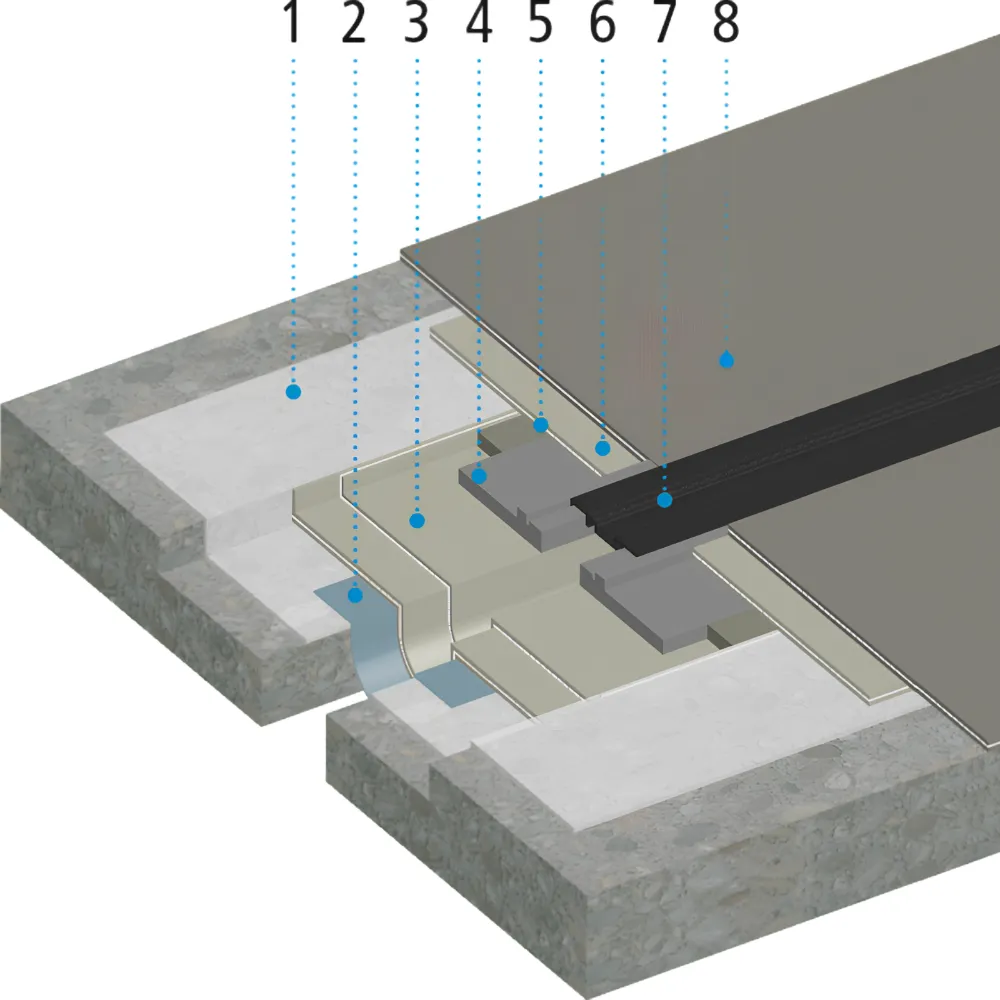
The Triflex ProJoint+ system is available in more than one installation configuration, depending on existing floor levels, joint geometry, and the requirements of the application area. The main components generally include the following:
Primer Layer
The primer must be selected according to the substrate material, such as:
Triflex Cryl Primer 287 for absorbent substrates such as concrete, screeds, and wood, with a minimum consumption of approximately 0.35 kg/m²
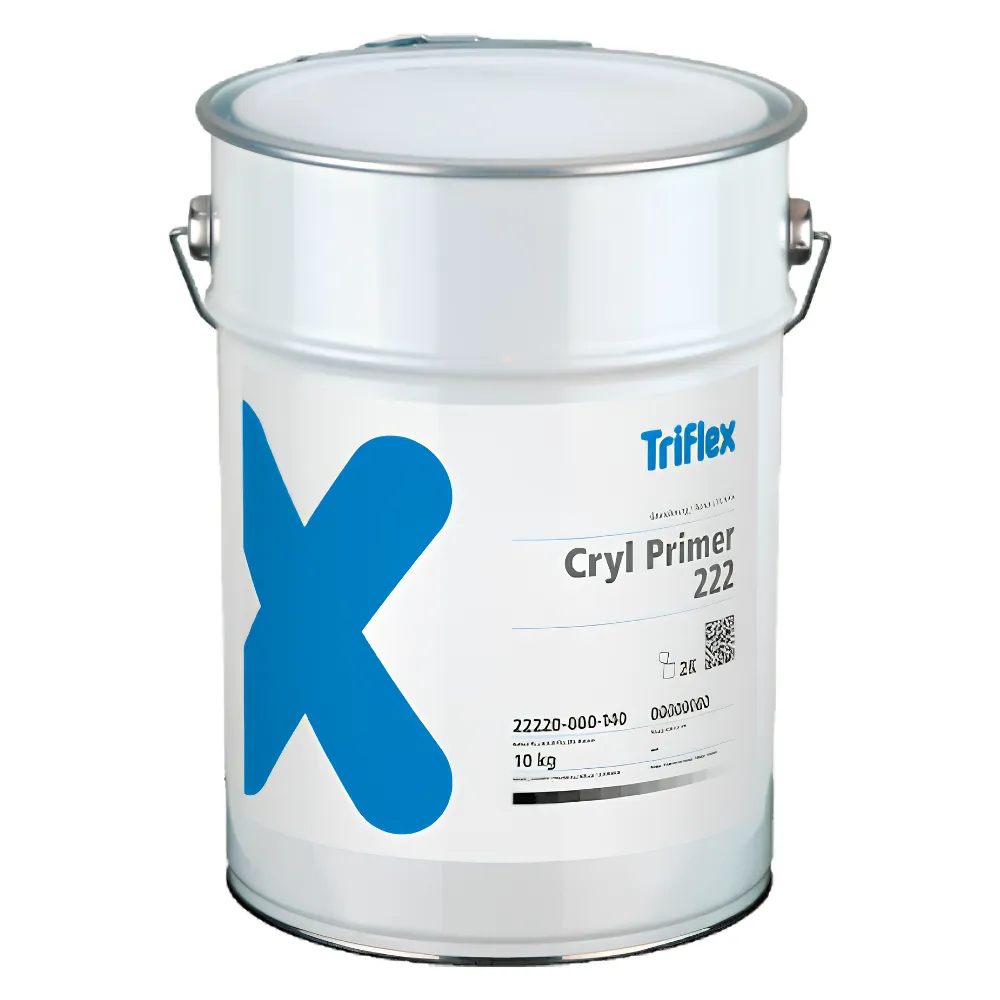
Triflex Cryl Primer 222 for asphalt substrates, with a minimum consumption of approximately 0.40 kg/m²
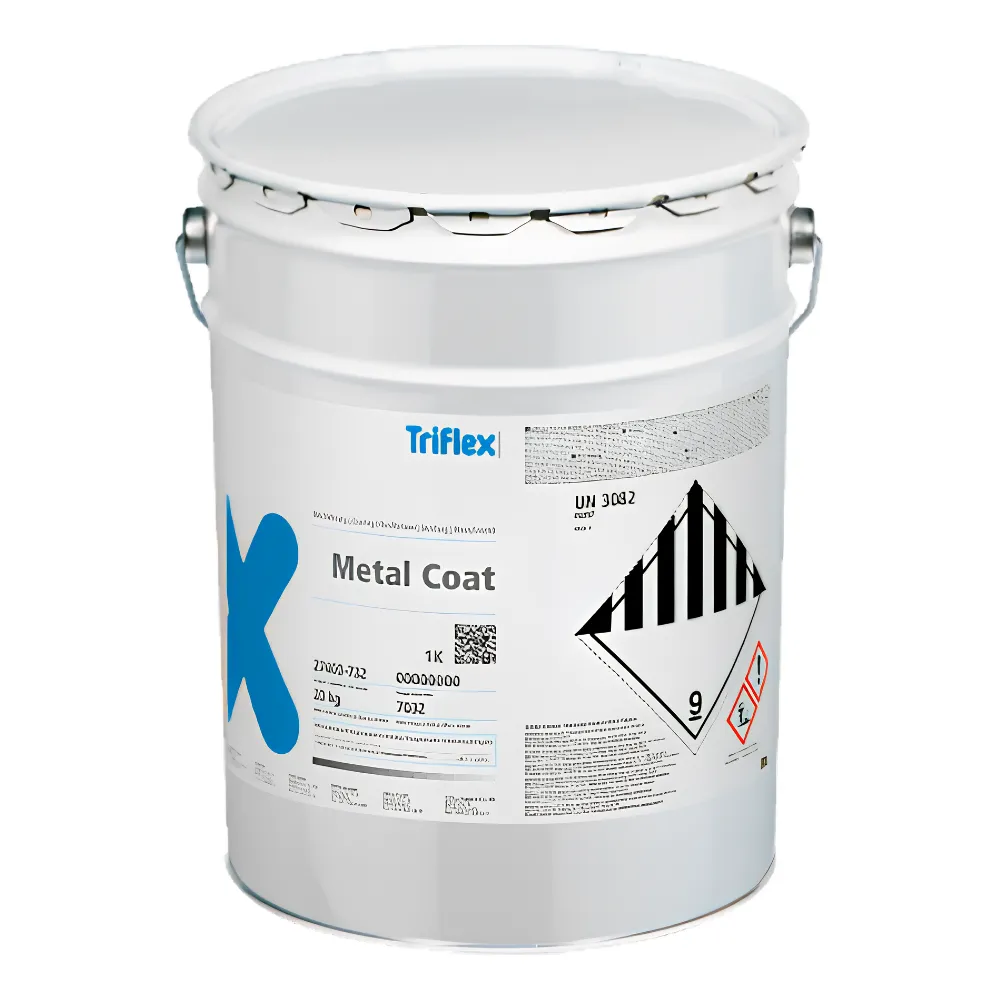
Triflex Metal Primer for metal surfaces or rusted areas, with a consumption of approximately 0.15 L/m²
Triflex Pox Primer 116+ for priming, surface sealing, and leveling surface irregularities, with a consumption of approximately 0.30–0.40 kg/m²
These consumption rates are based on smooth, even surfaces. Actual consumption may vary depending on the roughness and absorbency of the existing substrate.
Support Layer and Joint Waterproofing Layer
Triflex Support Strip is used as a supporting layer to form a loop within the joint, allowing the waterproofing membrane to accommodate joint movement. Triflex ProDetail is then applied in combination with Triflex Special Fleece to create a fleece-reinforced waterproofing layer. Triflex ProDetail has a minimum consumption of approximately 3 kg/m² on smooth surfaces.
Triflex Special Fleece provides reinforcement and helps control the thickness of the waterproofing layer, allowing the system to bridge joints continuously while accommodating movement.
Joint Protection Profile
Triflex ProJoint Joint Profile is installed over the joint to protect the waterproofing layer against impact, abrasion, and vehicle traffic. The profile is manufactured from carbon fiber-reinforced polymer, providing high mechanical strength and excellent wear resistance.
Triflex ProJoint Expansion Strip is installed within the profile. The groove is cleaned using Triflex ProJoint Cleaner, and the expansion strip is secured using Triflex ProJoint Fix to ensure that the joint components are firmly connected.
Floor Level Adjustment
If installing the profile on the floor surface creates a difference in elevation, Triflex Cryl RS 240 can be used to level the surface and create a smooth transition to the existing floor. This material is a fast-curing repair mortar suitable for applications with thicknesses of approximately 5–50 mm.
Triflex Cryl Paste can also be used to smooth surface irregularities, fleece overlaps, and grooves.
Installation Procedure Overview
Mill or remove the floor material around the joint to achieve the dimensions required by the system.
Prepare the substrate by grinding or shot blasting.
Apply the appropriate primer according to the existing substrate material.
Install Triflex Support Strip within the joint.
Apply the waterproofing layer using Triflex ProDetail and reinforcing fleece.
Allow the waterproofing layer to become ready for overcoating, which the manufacturer specifies as approximately one hour under suitable conditions.
Install Triflex ProJoint Joint Profile with full-surface bonding.
Level the surrounding areas using Triflex Cryl RS 240 if necessary.
Clean the groove intended for the expansion strip.
Install the expansion strip using Triflex ProJoint Fix.
Install the surrounding floor coating or protection system, ensuring continuous integration with the joint profile.
Fast Installation and Reduced Downtime
The materials used in the system cure rapidly and have a relatively low build-up height, helping reduce the time required to close areas during repair work. According to the manufacturer, the joint profile can withstand vehicle traffic within a few hours, provided that installation and environmental conditions meet the specified requirements.
This makes the system particularly suitable for parking structures, entrances and exits, and traffic areas where extended closures are not practical. Installation can also be divided into sections to minimize disruption to building operations.
Testing and Durability
According to the manufacturer, the waterproofing component of the system is certified through test reports and has undergone movement performance testing at temperatures ranging from approximately -20°C to +50°C by an independent testing institute. In addition, the waterproofing layer is resistant to root and rhizome penetration in accordance with FLL requirements.
The system is fully bonded to the substrate, helping prevent rainwater from migrating beneath the waterproofing membrane. This also makes it easier to identify damaged areas compared to systems where water can spread beneath sheet membranes.
Considerations Before Installation
The substrate must be sound, clean, dry, and free from dust, oil, grease, loose existing coatings, or other contaminants that may reduce adhesion performance. Joint width, movement range, differences in elevation, concrete edge strength, and expected traffic loads should be evaluated before selecting the appropriate system configuration.
Expansion joints are subject to movement throughout their service life. Therefore, the condition of the expansion strips, profiles, bonded connections, and surrounding coating layers should be inspected periodically.
System design and installation must follow the manufacturer’s latest system planning documentation and installation drawings.